Ever laid down a polyaspartic basecoat and thought, "Something's not quite right?" Achieving that glass-smooth, durable surface isn't just about the product; it's about mastering the application. Let's dive into some insider secrets for a perfect polyaspartic garage floor basecoat.
Surface Prep: The Foundation of Success
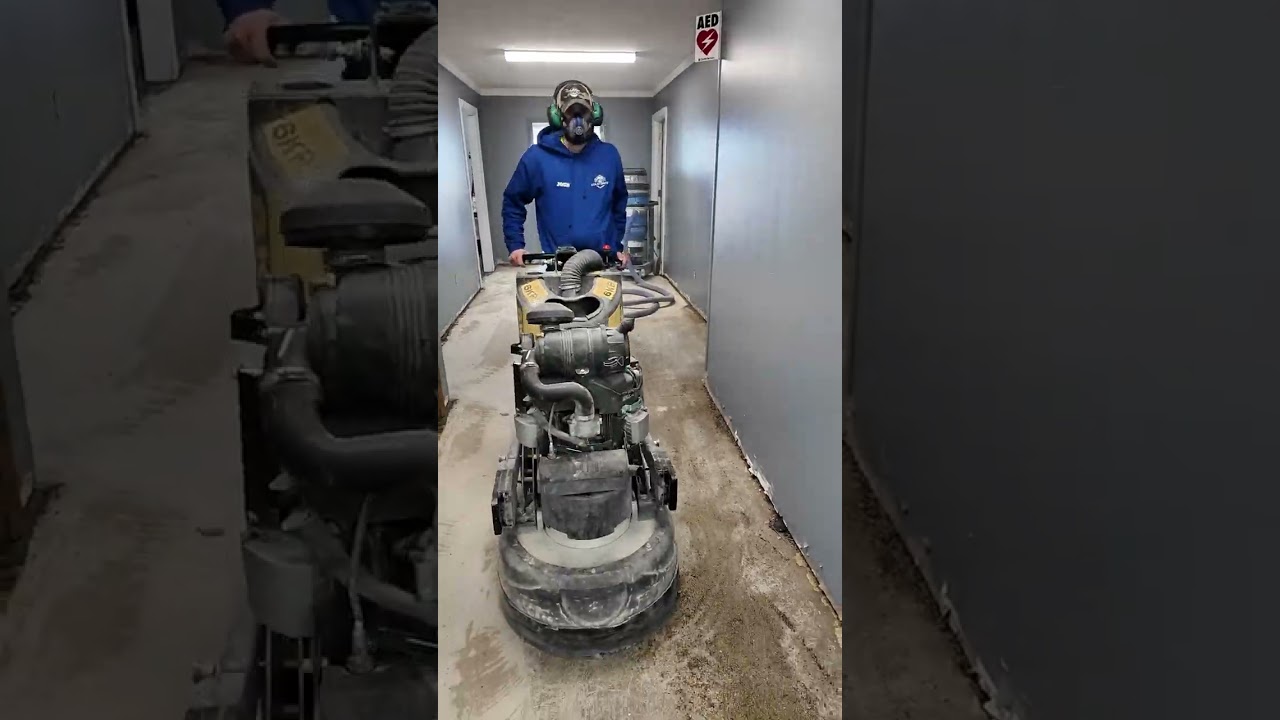
Before even thinking about polyaspartic, your surface needs to be ready. That means proper grinding and cleaning. We're talking about removing any existing coatings, contaminants, and creating a profile that your polyaspartic can really grab onto. Don't skimp here – a poorly prepped surface is the #1 reason for coating failure.
Think of it like building a house: you wouldn't build on a shaky foundation, right? The same applies here. Use a concrete grinder with diamond tooling appropriate for your concrete's hardness. Aim for a CSP (Concrete Surface Profile) of 2-3. Then, vacuum thoroughly – twice! Finally, wipe down with a solvent like acetone to remove any lingering dust or oils.
Mixing and Application: The Devil's in the Details
Polyaspartics are known for their fast cure times, which means you need to be prepared and work efficiently. Measure your components precisely, following the manufacturer's instructions to the letter. Don't guess! Use a calibrated mixing container and a proper mixing paddle. Mix thoroughly for the recommended time – usually around 2-3 minutes – ensuring you scrape the sides and bottom of the container.
Pro Tip: Consider using a spiked roller after application to release any trapped air bubbles. This is especially important on warmer days when outgassing from the concrete is more likely. A light broadcast of decorative flakes can also help hide minor imperfections and add texture.
Temperature and Humidity: The Unseen Enemies
Temperature and humidity play a HUGE role in how your polyaspartic basecoat behaves. High humidity can cause blushing or clouding, while extreme temperatures can affect cure times and workability. Always check the manufacturer's recommendations for the ideal temperature and humidity range.
If you're working in hot weather, consider using a slow-cure polyaspartic or adding a retarder to extend the working time. In cooler weather, you might need to use a fast-cure version or heat the concrete to accelerate the cure. Always monitor the dew point to avoid condensation forming on the surface during application. A dew point calculator app is your best friend here.
Troubleshooting Common Issues
Even with the best prep and application, things can sometimes go wrong. One common issue is fisheyes, which are small circular areas where the coating repels. This is usually caused by contamination on the surface. If you see fisheyes, stop immediately, clean the affected area with a solvent, and reapply the coating.
Another common problem is bubbling, which can be caused by moisture in the concrete or air trapped in the coating. Using a moisture meter before applying the coating can help prevent moisture-related issues. And, as mentioned before, a spiked roller can help release trapped air. Remember, experience is the best teacher, so don't be afraid to experiment and learn from your mistakes.
Mastering the polyaspartic basecoat application is a journey, not a destination. By focusing on proper prep, precise mixing, environmental factors, and troubleshooting, you'll be well on your way to creating stunning and durable garage floors that will impress your clients (and their neighbors!).