Are you leaving money on the table with easily avoidable floor coating mistakes? Every year, contractors lose profits due to preventable errors in surface prep, product selection, and application. Let's dive into 5 critical mistakes you need to sidestep to maximize your profits in 2025.
Skipping Proper Surface Preparation
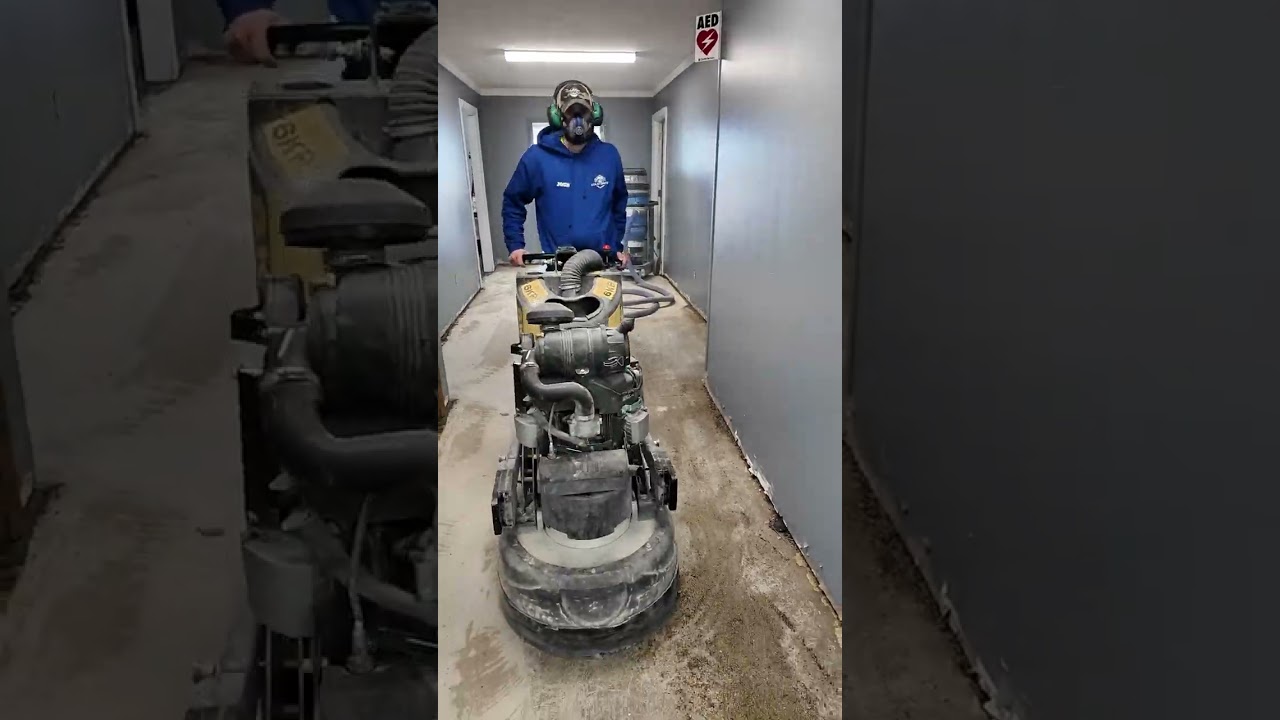
Surface preparation is the unsung hero of any successful floor coating project. Cutting corners here is a recipe for disaster, leading to adhesion failures, bubbling, and premature wear. Think of it like this: you wouldn't build a house on a shaky foundation, right? The same applies to floor coatings. Always start with a clean, sound surface. This typically involves mechanical abrasion like grinding or shot blasting to create a profile for the coating to grip onto. Neglecting this step can lead to costly rework and unhappy customers.
Pro Tip: Don't just eyeball it! Use a surface profile gauge to ensure you've achieved the recommended roughness for your chosen coating. For many epoxy systems, a CSP 3-5 profile is ideal. Also, remember to thoroughly clean the surface after grinding to remove any dust or debris. A vacuum with a HEPA filter is your best friend here.
Choosing the Wrong Coating System
Not all floor coatings are created equal. Selecting the wrong system for the intended use is a common pitfall. For example, installing a standard epoxy coating in a high-traffic industrial setting will likely result in premature wear and tear. Consider factors like chemical resistance, abrasion resistance, impact resistance, and UV stability when making your selection. A polyaspartic coating, known for its rapid cure time and excellent durability, might be a better choice for a busy warehouse compared to an epoxy.
Pro Tip: Always consult the manufacturer's technical data sheets (TDS) to understand the limitations and recommended uses of each coating. Don't rely solely on the sales pitch. Furthermore, consider the environmental conditions. Certain coatings, like some epoxies, can be very sensitive to temperature and humidity during application and cure. A cold, damp environment can significantly extend cure times and compromise the final result. If you're working in colder temperatures, consider using a cold-weather epoxy or a polyurea coating.
Ignoring Moisture Vapor Transmission (MVT)
Moisture Vapor Transmission (MVT) is the silent enemy of floor coatings. If moisture is rising through the concrete slab, it can create hydrostatic pressure that forces the coating to delaminate. Before applying any coating, it's crucial to test for MVT. A simple calcium chloride test can give you a good indication of the moisture level. If MVT is high, you'll need to install a moisture mitigation system before applying your floor coating.
Pro Tip: Don't skip the moisture testing! It's a relatively inexpensive step that can save you thousands of dollars in rework. And remember, even if the initial test shows low MVT, conditions can change over time, especially in areas with fluctuating water tables or seasonal changes. Consider using a breathable coating system that allows moisture to escape, or installing a vapor barrier beneath the concrete slab during construction.
Miscalculating Mixing Ratios and Application Rates
Accurate mixing and application are essential for achieving the desired performance characteristics of your floor coating. Deviating from the manufacturer's recommended ratios or application rates can lead to a host of problems, including improper curing, inconsistent color, and reduced durability. Use calibrated mixing equipment and follow the instructions precisely. Over-thinning a coating to make it easier to apply can compromise its strength and chemical resistance.
Pro Tip: Invest in a good quality scale for measuring your components. Don't rely on guesswork! And always mix thoroughly for the recommended time to ensure complete and uniform blending. For application rates, use a wet film thickness gauge to verify that you're applying the correct amount of material. This simple tool can prevent costly mistakes and ensure optimal coating performance.
By avoiding these common pitfalls, you'll be well on your way to delivering high-quality floor coatings that stand the test of time. Focus on meticulous surface prep, smart coating selection, proactive moisture management, and precise application techniques. Your clients will thank you, and your bottom line will reflect your expertise.