Ever wonder what you'd change if you could rewind and start your floor coating business from scratch? I've been there, done that, and learned a ton along the way – sometimes the hard way. Let's dive into exactly how I'd approach things today, knowing what I know now, and even recap a recent $6,000 job to illustrate some key points.
Nailing Your Niche & Ideal Client
Back in the day, I took almost any job that came my way. Residential garages, commercial kitchens, even a dog kennel once! While it brought in revenue, it spread me thin and made it tough to become a true expert in any one area. Now, I'd laser-focus on a specific niche. Maybe it's high-end residential garages with complex designs, or perhaps it's commercial spaces requiring fast-curing polyaspartic coatings.
Pro Tip: Specializing not only builds expertise but also simplifies marketing. You can target your ideal client – say, homeowners in affluent neighborhoods looking for showroom-quality garages – with much greater precision. Think about it: a metallic epoxy floor in a mechanic's shop? Probably not the best fit. Understanding your ideal client is half the battle.
Investing in the Right Equipment (Early On)
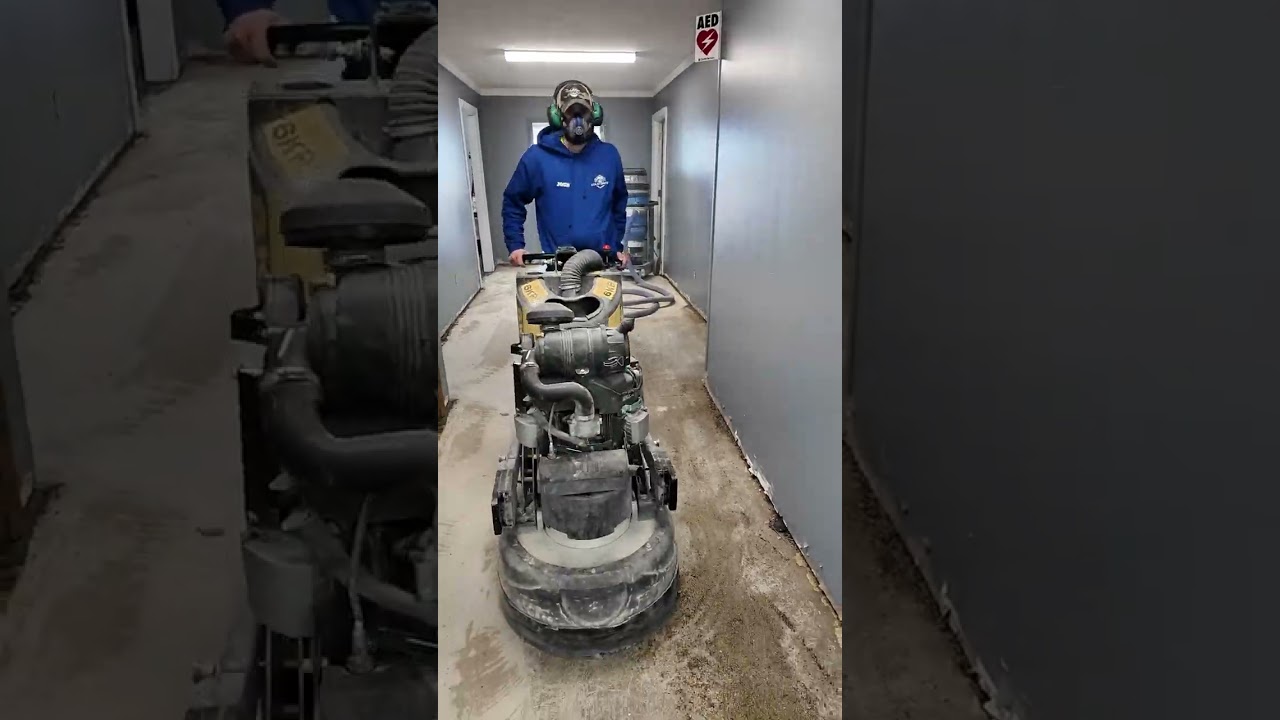
I initially cheaped out on equipment, thinking I could save money. Big mistake. I ended up spending more in the long run on repairs, replacements, and lost time. If I were starting over, I'd prioritize a few key pieces of equipment right from the get-go:
- A high-quality floor grinder (planetary grinders are game-changers)
- A powerful vacuum system with HEPA filtration
- A reliable mixing station for consistent material ratios
Don't break the bank, but invest in tools that will last and improve your efficiency. Consider financing options or buying used equipment in good condition. A good grinder makes prep work faster and more consistent, leading to better adhesion and fewer callbacks.
Systemizing Everything from Lead to Invoice
In the early days, my process was… chaotic, to put it kindly. Leads were scribbled on napkins, estimates were done on the fly, and invoices were… somewhere. Now, I understand the power of systems. I’d implement a CRM (Customer Relationship Management) system from day one to manage leads, track projects, and automate communication. (Full disclosure: I built CoatingOS for this very reason!)
Think about it: a streamlined process not only saves you time but also improves the customer experience. From the initial consultation to the final invoice, every interaction should be professional and efficient. This builds trust and leads to repeat business and referrals. The $6,000 job I mentioned? It went smoothly because we had a clear process in place, from the initial quote to the final walkthrough.
Pricing for Profit, Not Just to Win Jobs
I used to undercut my competitors to win jobs, which was a race to the bottom. Now, I understand the importance of pricing for profit. Factor in all your costs – materials, labor, equipment, overhead – and add a healthy profit margin. Don't be afraid to walk away from jobs that don't meet your price. Remember, you're selling quality and expertise, not just cheap labor.
Pro Tip: Research your market and understand your competitors' pricing, but don't let that dictate your own. Focus on the value you provide and be confident in your pricing. Customers are often willing to pay more for a job done right, the first time. Also, remember to account for waste. A 5-gallon bucket of epoxy can be expensive if you're constantly throwing half of it away due to miscalculations.
Starting a floor coating business is tough, but with the right mindset and a focus on systems, efficiency, and profitability, you can build a successful and sustainable company. Learn from my mistakes, invest in the right tools, and never stop learning. Now go out there and coat some floors!